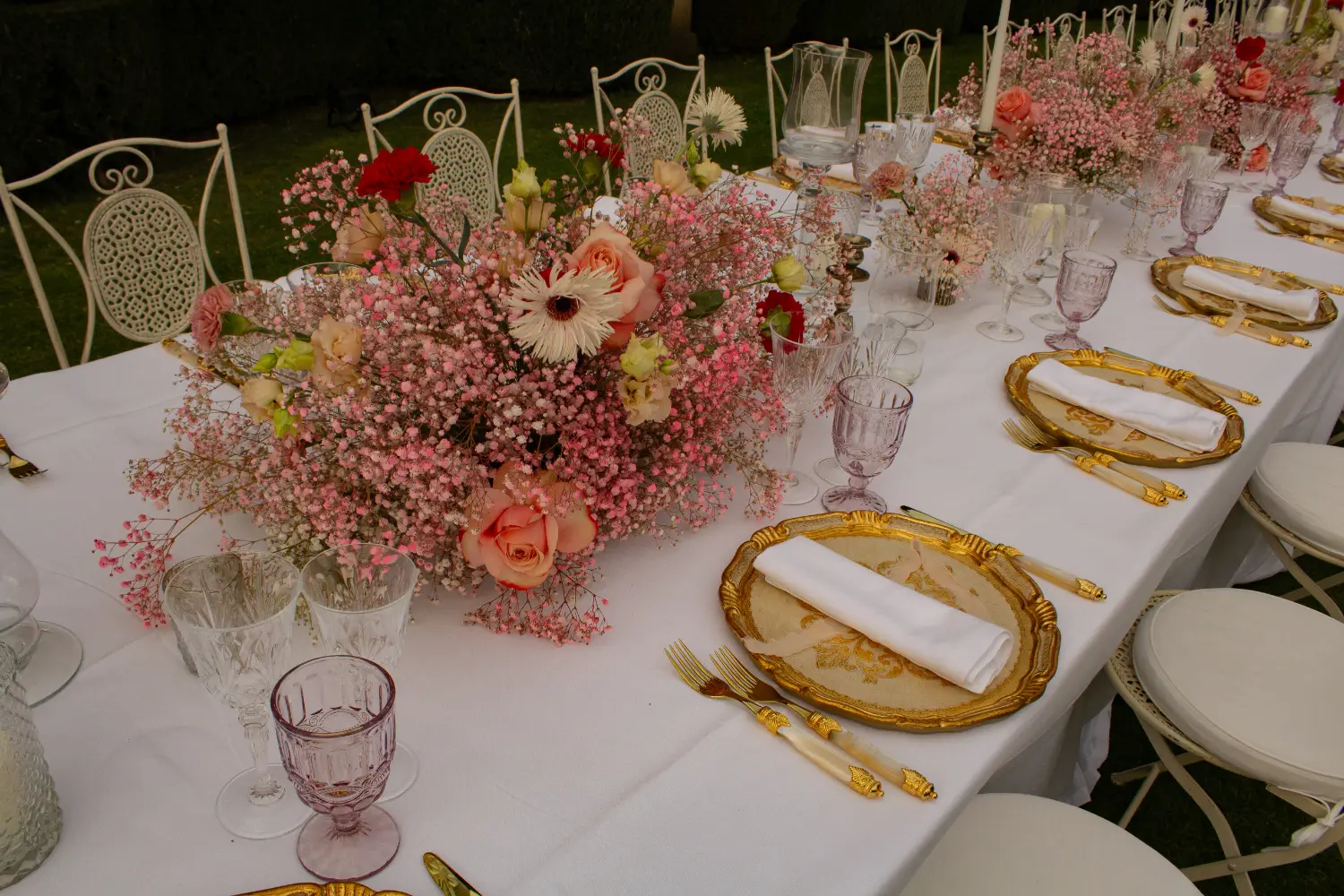
Farewell Brunch: The New Wedding Tradition Couples Love
Photo: PINTEREST
What used to be a transactional scramble to grab a paper cup of hotel coffee before rushing to catch a flight has quietly turned into one of the most beloved parts of a wedding weekend: the farewell brunch. After months spent obsessing over seating charts, precise ceremony cues, and formal dress codes, the morning after is where the real, unscripted conversations actually happen.
The Case for Staying a Little Longer
Ask almost anyone who has gotten married recently about their wedding day, and they will likely give you the same bittersweet answer: it went by in a blur. Between photo schedules, formal toasts, cutting the cake, and trying to make a brief appearance at every single table, you rarely get more than three minutes of uninterrupted conversation with anyone.
For destination weddings – whether you are gathering family and friends at a private estate in Lake Como, a rustic villa in Tuscany, or a coastal resort in the South of Europe – a farewell brunch solves this emotional gap. It strips away the pressure of performance. While the reception night demands high energy, structured timing, formal attire, multi-course menus, and leaves time for only passing conversations, the farewell brunch offers a slow pace with an open-ended schedule. Guests can trade heavy gowns and tight shoes for breezy linen, silk, and slides, enjoying comfort food and interactive stations alongside long, uninterrupted catch-ups. There are no speeches to prepare for and no rigid itinerary to follow. It gives you a second chance to actually talk. You get to sit down with your childhood friends over espresso, hear the wild dance-floor stories you completely missed, and give your family proper, warm hugs without constantly looking over someone’s shoulder at a wedding planner’s timeline.
Photo: PINTEREST
What Makes a Post-Wedding Menu Work?
The biggest mistake couples make when planning a Sunday brunch is trying to serve a heavy, formal meal that mirrors the night before. By 11:00 AM the morning after a major celebration, your guests do not want a sit-down, three-course plated meal. They want comfort, deep hydration, and great food served at their own pace.
The best morning menus balance ease with memorable, local flavor:
Interactive Stations That Make Sense: Forget standard, lukewarm hotel buffet lines. Focus on live, high-touch stations instead – a dedicated espresso bar run by master baristas, freshly squeezed local citrus juices, and made-to-order morning specialties like warm flatbreads, light crêpes, or eggs cooked with local herbs.
Unexpected Heritage Touches: If your guests were on the dance floor until 3:00 AM, give them food that genuinely restores them. Bringing in rich, aromatic flavors – such as an authentic Indian street-food brunch setup featuring hot chai, fresh samosas, and lightly spiced morning bites – is a brilliant, highly thoughtful touch that guests talk about for months afterward.
Regional Comfort Food: If you are marrying in Italy, let the regional terroir do the heavy lifting. Freshly baked, olive-oil-drizzled focaccia, local burrata, heirloom tomatoes, and a live-assembled pastry station (like a morning version of a crisp millefoglie) feel completely effortless yet undeniably luxurious.
Photo: PINTEREST
Stripping Back the Decor for Easy Comfort
Visually, the morning after should feel like a deep, collective exhale. If your main reception was defined by dramatic candlelight, formal black-tie tailoring, and elaborate floral installations, the brunch should be its soft, organic opposite.
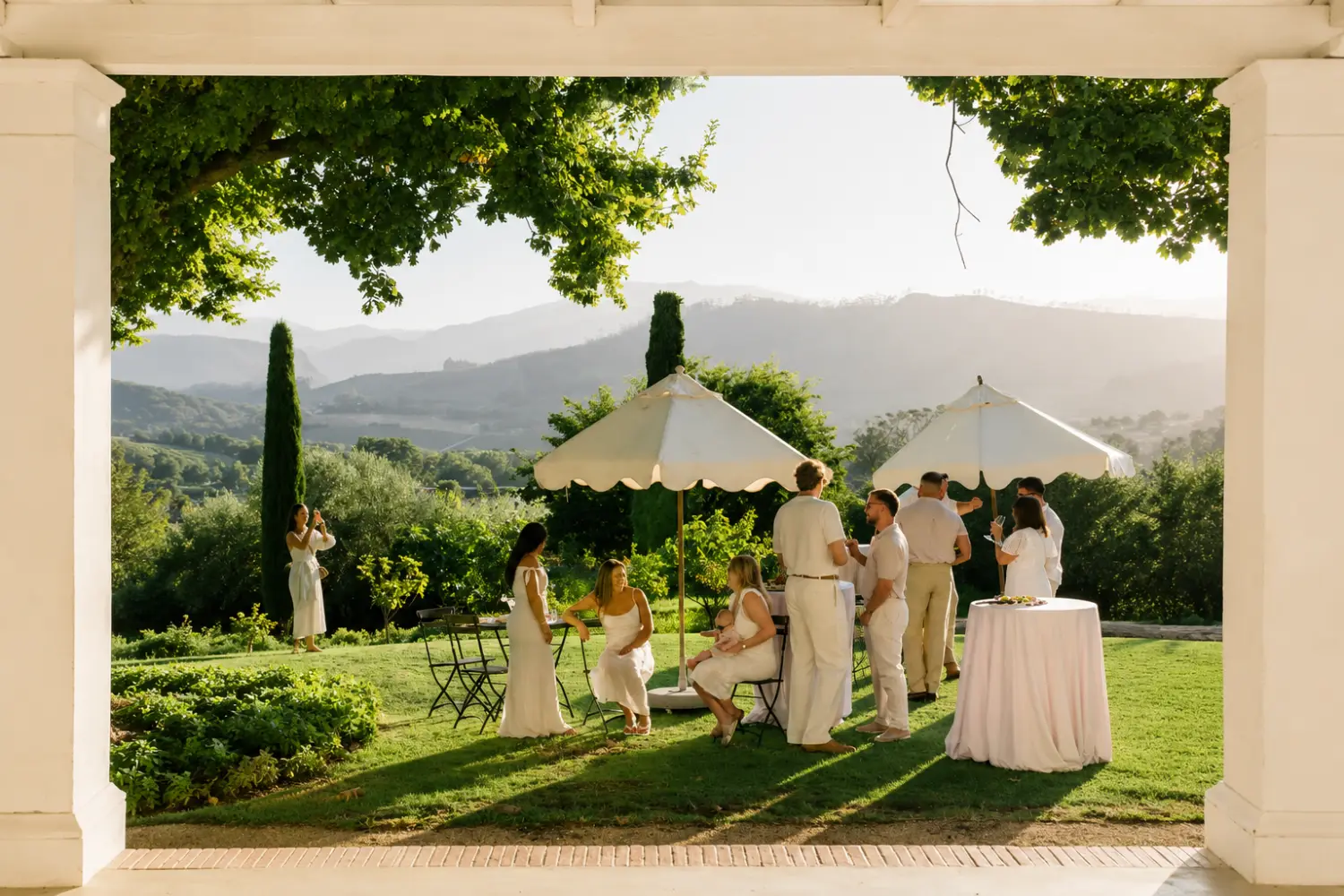
Set long wooden tables under whatever natural shade you can find – under the canopy of ancient olive trees, beneath a sprawling pergola, or inside a quiet stone courtyard. Skip the heavy, structured centerpieces in favor of simple raw linen runners, loose branches, fresh lemons, or seasonal fruits scattered along the table. Put on a relaxed vinyl set or an acoustic guitar duo, throw on something light and breezy that feels like yourself, and let guests drift in and out as their travel plans allow.
At the end of the day, good hosting isn't about how much activity you can squeeze into forty-eight hours – it’s rather about how relaxed and cared for your guests feel when it is finally time to head home. A slow, warm, unhurried goodbye is the finest final note any couple can play.
Photo: PINTEREST
Editorial Insights & Curated Muse
How do we select the right culinary partner for a multi-day wedding experience in Italy?
Look for caterers who specialize in custom, tailor-made event design rather than rigid, pre-set packages. Whether you desire authentic regional heritage or specialized global cuisine, your caterer should act as a craftsman who builds every meal around your personal story.
Explore bespoke Italian wedding catering in our curated vendor Directory.
For exceptional regional tailor-made catering across Florence and Tuscany, discover Tuscan Excelsia, renowned for their artisanal approach, personalized menu tastings, and iconic live Millefoglie experiences.
Can we incorporate specialized cultural or heritage cuisine into our European destination wedding weekend?
Absolutely. In fact, offering diverse culinary experiences across your wedding weekend – such as a vibrant cultural welcome event or a spiced, aromatic farewell brunch – is one of the most memorable ways to delight your guests.
For couples seeking world-class authentic Indian cuisine across Lake Como and throughout Italy, explore Namaste Indian Catering, bringing over 25 years of refined hospitality, bespoke menu curation, and cultural authenticity to luxury celebrations.
What time should a post-wedding farewell brunch typically begin?
Flexibility is key. A drop-in style format running from 10:30 AM to 1:30 PM allows late-night partygoers to sleep in while accommodating guests who have earlier travel arrangements. Discover more planning tips and itinerary ideas in our Planning section.
This website uses cookies to improve the user experience and optimize its performance. By continuing to use this website, you agree to the use of cookies on this website.
Read more

 share
share



.webp)
.webp)
.webp)